


Thin Glass Solutions and Specialty Glass Processing Technology
Customized thin and specialty glass solutions for advanced applications, combining glass material selection and development with functional treatments, precision processing, prototyping, and mass production support.

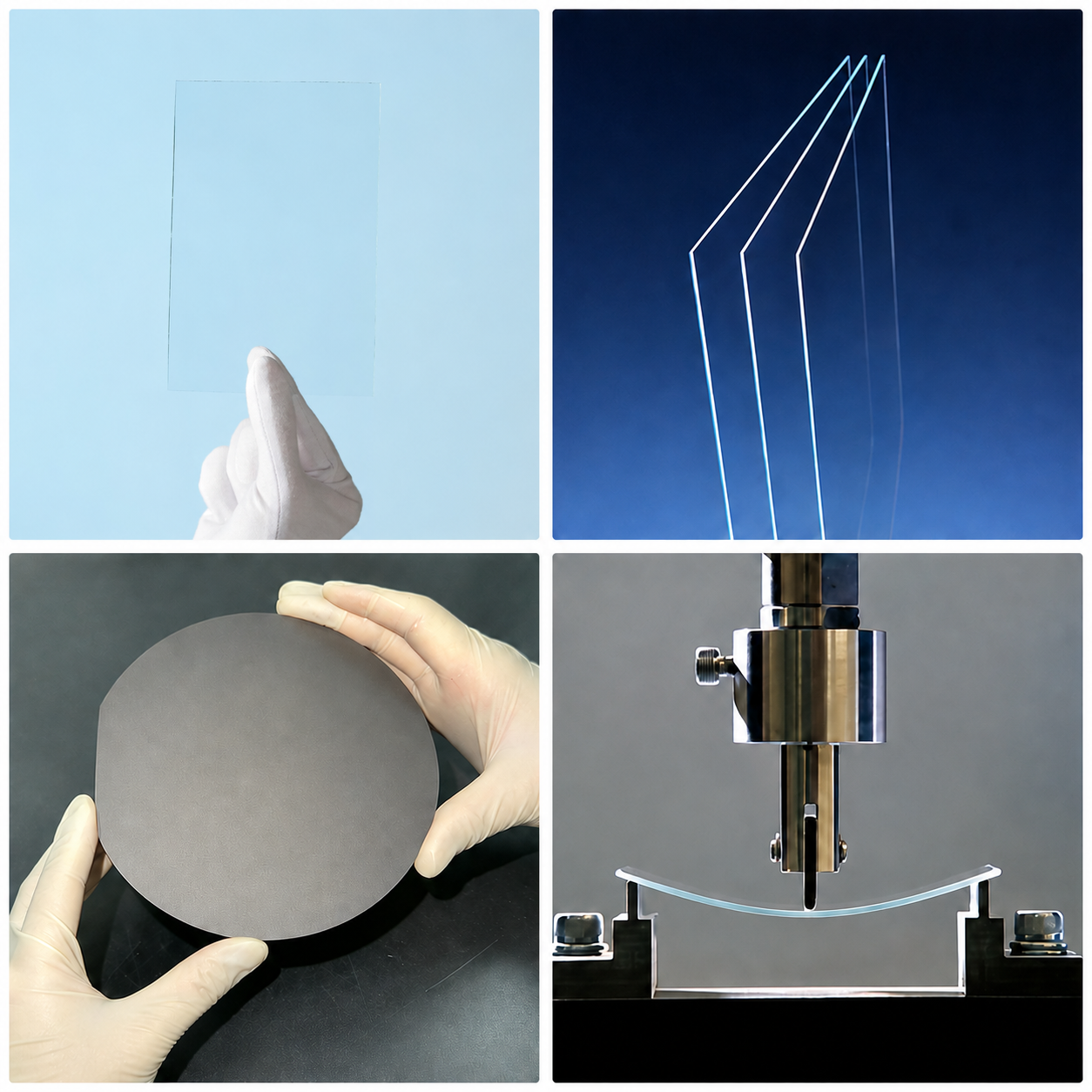

Applications
- Find solutions for automotive, solar panels, electronic devices, and more.
- Check whether AGC’s thin and specialty glass fits your application.

Functions
- Review functions such as transparency, anti-glare, anti-reflection, strength, and flatness.
- Understand how AGC combines material selection and functional processing.

Processing Technologies
- Learn about coating, lapping and polishing, slimming, and extra-thick glass processing.
- Discover how AGC optimizes glass properties through advanced processing.
01/Thin and Specialty Glass Solutions for Advanced Applications

Advanced devices often require glass with a carefully controlled combination of thickness, weight, optical performance, surface quality, durability, and dimensional accuracy.
AGC supports product and process development by combining glass material selection with technologies such as strengthening, coating, polishing, slimming, lapping, cutting, and edge processing. Our solutions are suitable for applications where standard glass products cannot meet specific performance, design, or manufacturing requirements.
Application Areas and Glass Requirements
| Application Area | Glass Requirements |
|---|---|
| Automotive(Display and Window) | clear visibility, low reflection, scratch resistance, weight reduction, and stable performance under temperature changes. |
| Satellite Solar Cells | lightweight, precisely controlled glass with UV protection, radiation resistance, thermal stability, and durability for harsh space environments. |
| Robotics | lightweight glass with precise thickness, UV protection, radiation resistance, and durability in harsh space environments. |
| Displays and Human-Machine Interfaces | high visibility, smooth touch performance, scratch resistance, low reflection, and thin, lightweight designs. |
| Optical and Sensing Devices | high transparency, low surface defects, precise flatness, and stable optical and dimensional performance. |
| MEMS, Microfluidic, and Bio Devices | precise thickness, flatness, surface quality, chemical resistance, and compatibility with microfabrication processes. |
| Ultra-Thin and Flexible Device Manufacturing | stable handling, heat resistance, dimensional accuracy, and reliable separation during thin-device manufacturing. |
| Precision Electronic Components | precise dimensions, stable surface quality, heat resistance, insulation, and compatibility with manufacturing processes. |
The glass requirements shown below are representative examples and may vary depending on the application and operating conditions.
Looking for Glass for a Different Application?




Contact us if you are experiencing challenges related to glass thickness, weight, strength, optical performance, surface quality, flatness, chemical resistance, or process compatibility.
02/Functions That Can Be Added to Thin Glass
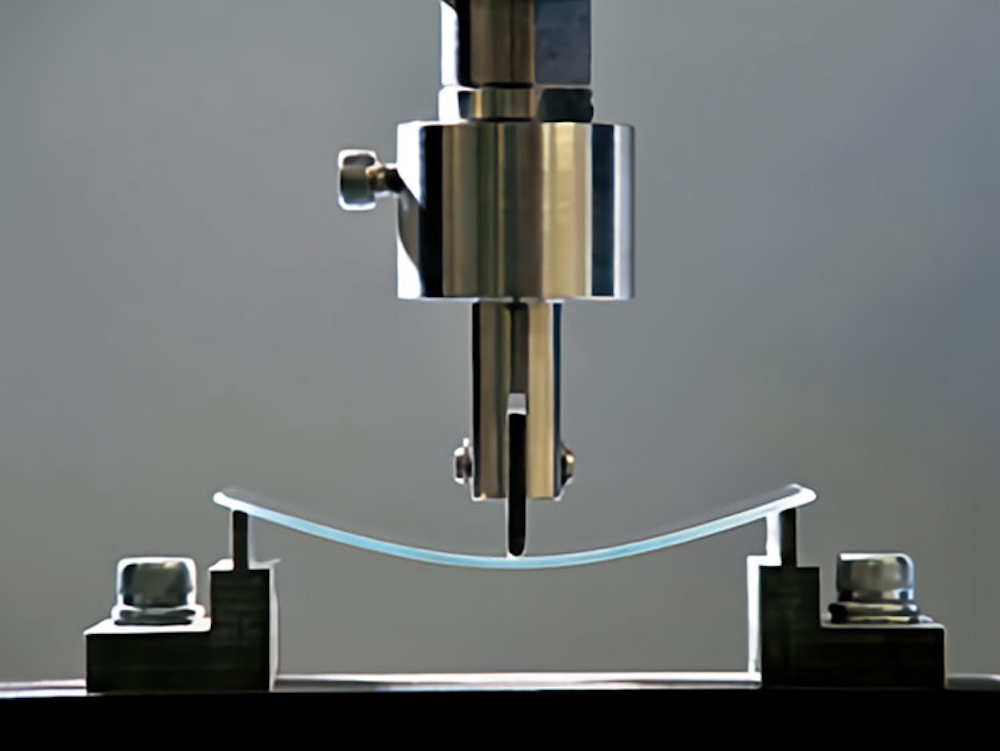
Thin and specialty glass can be designed with a wide range of functions depending on the application, operating environment, and required performance.
AGC supports customers by combining glass material selection, surface treatment, coating, and precision processing technologies to help achieve the required optical, mechanical, thermal, and surface properties.
The table below shows typical functions that can be considered depending on application requirements.
| Function | What It Helps to Achieve | AGC’s Capabilities |
|---|---|---|
| High Transparency | Improves visibility, light transmission, and optical performance for displays, solar panels, and optical applications. | Suitable glass materials and surface quality specifications are proposed based on optical requirements. |
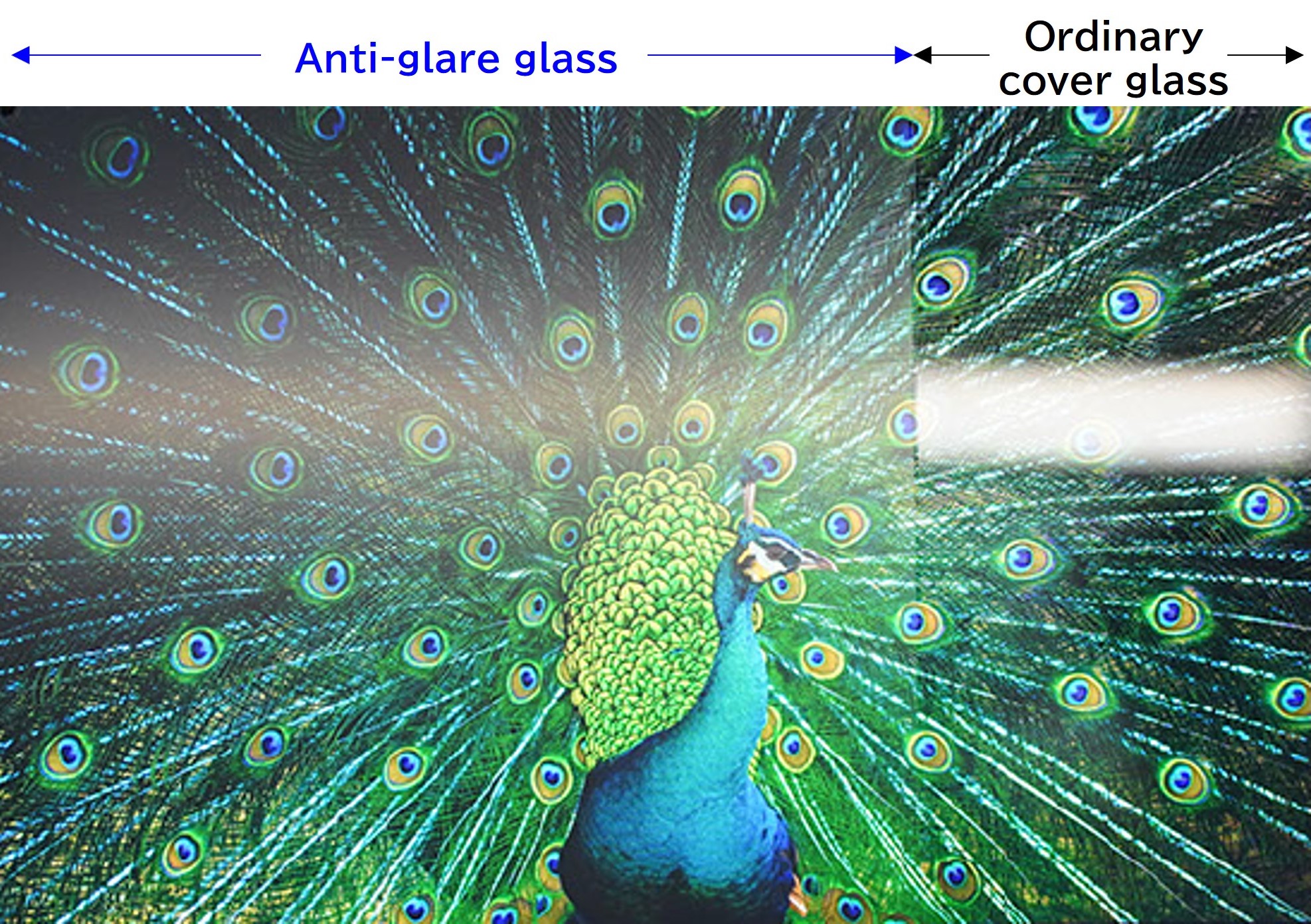
| Anti-glare | Reduces glare and improves visibility in outdoor, automotive, and display applications. | Anti-glare functionality can be added through surface treatment and coating technologies. |
| Anti-reflection | Reduces surface reflection and improves visibility or light transmission. | Anti-reflection performance can be achieved through coating and optical design. |
| Strength | Helps improve durability and handling reliability, even with thin glass. | Material selection, strengthening, thickness design, and edge processing conditions are optimized in combination. |
| Scratch Resistance | Helps maintain appearance and performance during long-term use. | Material and surface treatment options are available for applications requiring scratch resistance. |
| Flatness | Supports stable quality in manufacturing, inspection, and optical applications. | Lapping and polishing technologies are used to meet flatness requirements. |
| Thinness / Lightweight Design | Enables thinner, lighter, and more compact device designs. | Thin glass design is supported through appropriate material selection and slimming technologies. |
| Heat Resistance | Helps maintain performance in high-temperature processes and demanding environments. | Heat-resistant glass materials and suitable processing specifications are proposed. |
| Chemical Durability | Improves resistance to chemicals, humidity, and harsh operating environments. | Glass materials and surface options are selected based on the required operating conditions. |
| Surface Quality | Reduces defects and surface roughness that may affect optical performance or process stability. | Surface quality is optimized through lapping, polishing, cleaning, and inspection processes. |
Optimized Glass Solutions Based on Application Requirements
The required functions often differ depending on the application, production process, and target specifications.
AGC can support the development of optimized glass solutions by selecting suitable materials and combining them with appropriate processing technologies from the early development stage.
03/Glass Processing Technologies for Thin and Specialty Glass
AGC provides a range of glass processing technologies for thin and specialty glass, including coating, polishing, slimming, and lapping. These technologies can be combined with material selection and functional design to optimize glass properties such as thickness, surface quality, flatness, optical performance, and durability for each application.
Coating Glass
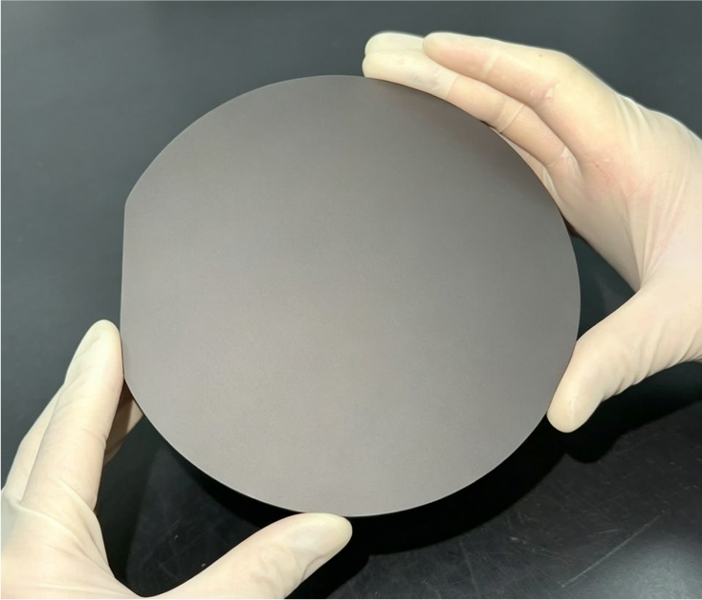
Coating technology adds functional layers to the surface of glass to enhance optical, mechanical, or surface properties. Depending on the application, coating can help provide functions such as anti-reflection, anti-glare, scratch resistance, conductivity, or environmental durability.
AGC can propose suitable coating options based on the required performance, glass material, and operating conditions. Various coatings such as Ti, SiO2, Cr2O3, Al2O3 with uniform and firm film layers, and ink-coating by screen printing process are available.
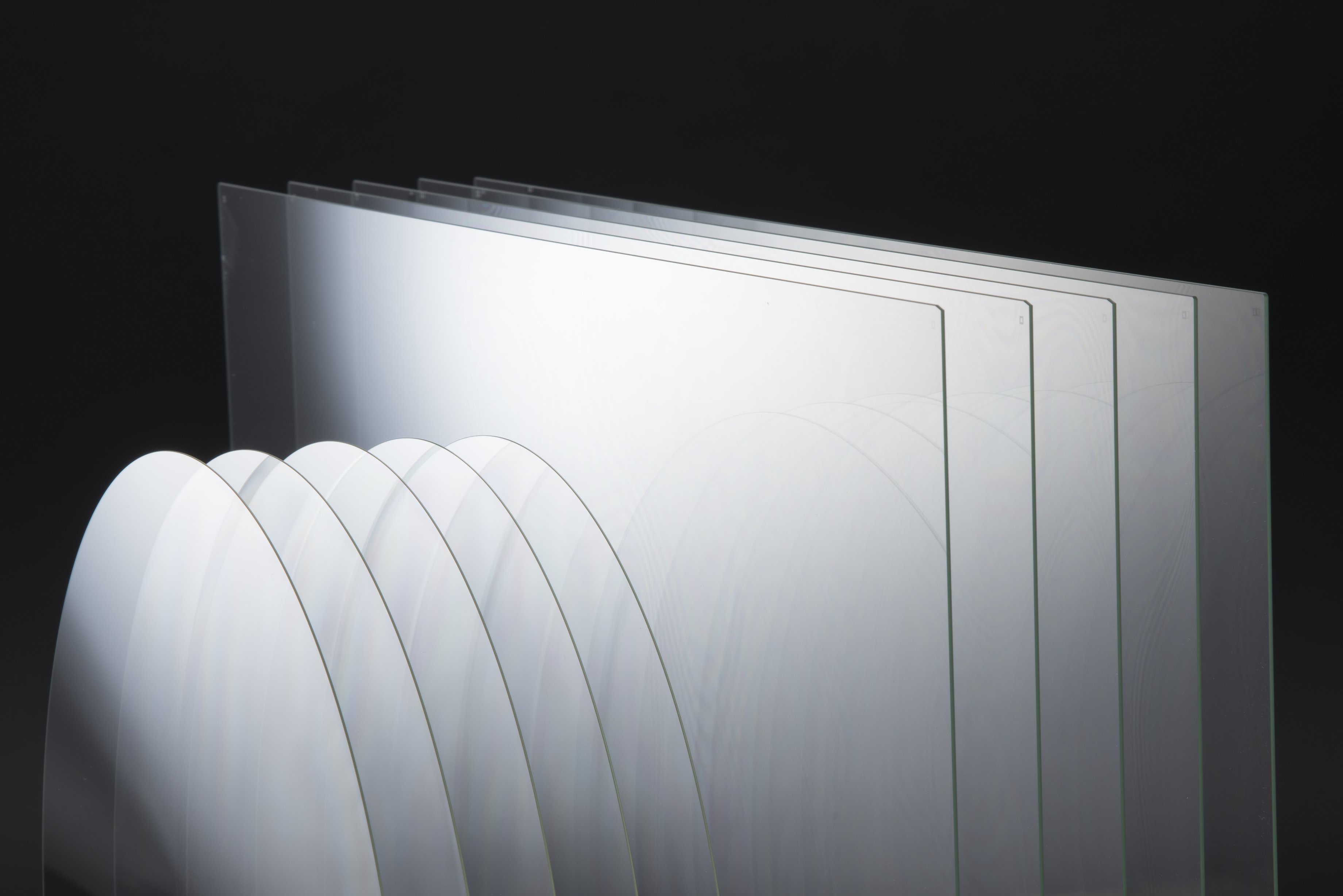
Lapped and Polished Glass
Lapping and polishing improve the surface quality, dimensional accuracy, and optical performance of glass. These technologies are suitable for applications requiring high transparency, low surface defects, precise thickness, controlled flatness, or stable process performance, such as optical components, displays, sensors, carrier substrates, and precision glass parts.
AGC can optimize lapping and polishing specifications according to the required size, thickness, Total Thickness Variation (TTV), flatness, surface condition, and application needs.
Slimming Glass

Slimming technology reduces glass thickness to support thinner, lighter, and more compact device designs. It is useful for applications where weight reduction, design flexibility, or thin form factors are required, such as displays, mobile devices, wearable devices, and advanced electronic components.
AGC can support thin glass design by combining material selection with suitable slimming processes.
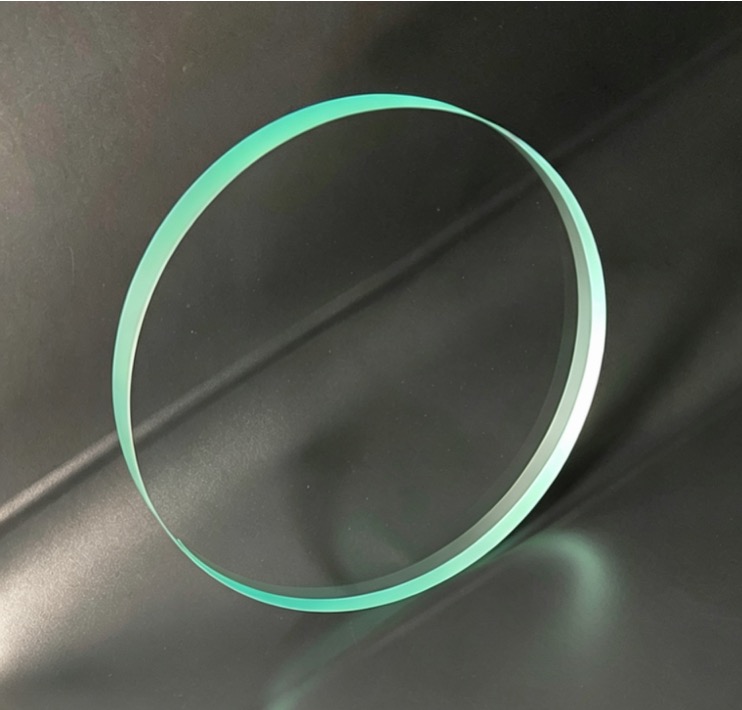
Extra-Thick Glass Substrates
Extra-thick glass substrates are suitable for manufacturing equipment components, precision substrates, and other applications where standard glass thicknesses are insufficient.
AGC can process extra-thick glass substrates up to 19 mm, depending on the required size, shape, surface condition, and application needs.
Product Examples Using These Technologies
AGC combines thin and specialty glass materials with coating, lapping and polishing, slimming, and other processing technologies to develop solutions tailored to specific applications. The following products demonstrate how these technologies can be used to improve optical performance, durability, processability, and device design.
Solar Panel Cover Glass(EG-S1)

AGC’s thin glass contributes to higher efficiency, improved durability, and weight reduction in both terrestrial and space-based solar panels.
For satellite applications, EG-S1 Satellite Solar Cell Cover Glass protects solar cells from harsh space environments. Its UV-shielding and electron-beam-resistant properties help reduce radiation-induced discoloration and maintain stable solar cell performance over time.
The glass can be customized in thickness and shape, including options approximately 0.1 mm thick, making it suitable for satellite solar cells, optical solar reflectors, and other space-related applications.
Carrier Glass Technology with Bonding Layer
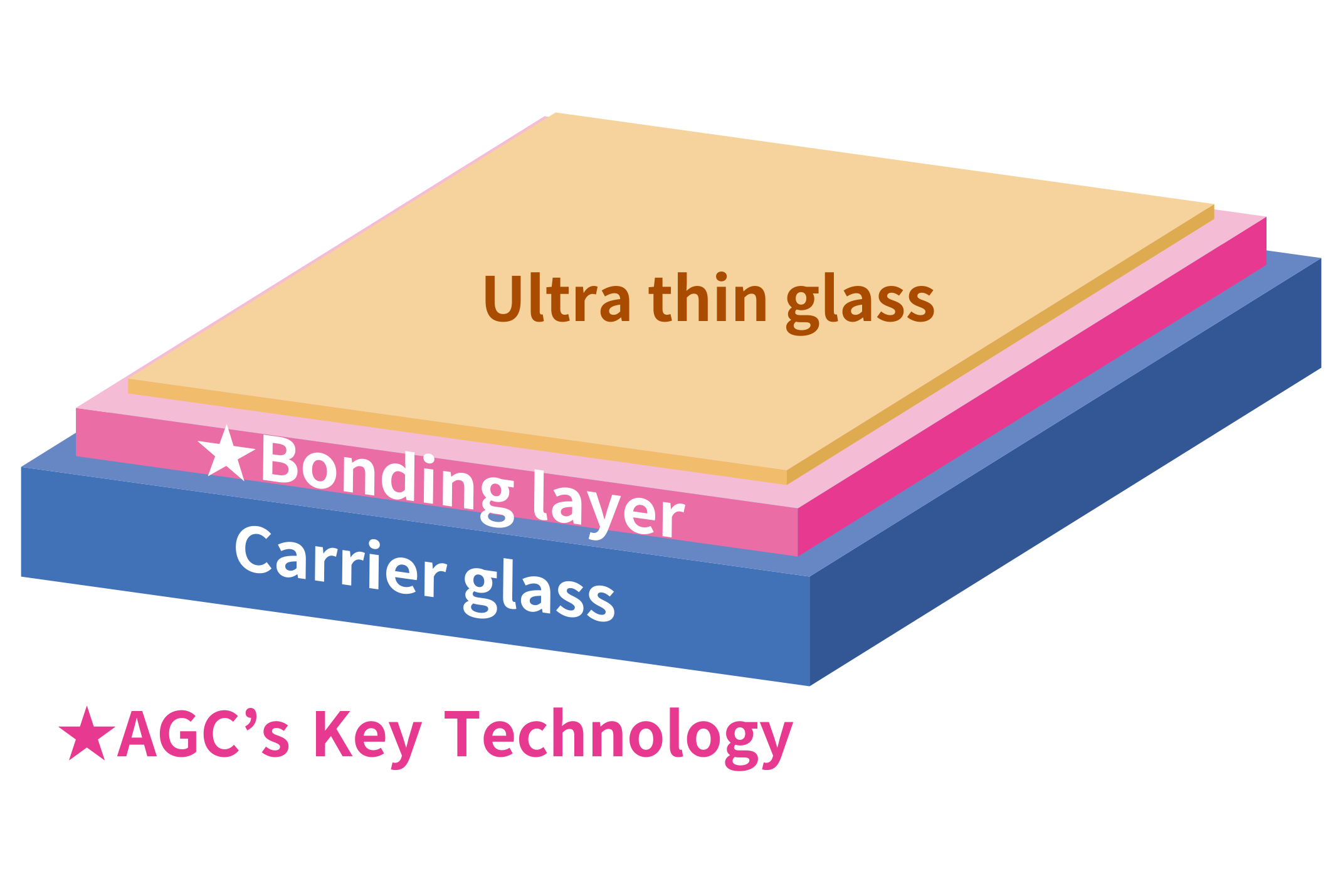
AGC’s Carrier Glass Technology with Bonding Layer improves the handling stability of ultra-thin glass during manufacturing and enables Mechanical Lift-Off separation without laser processing.
With heat resistance of up to 400 °C and support for large-size substrates, this technology is suitable for flexible sensors, wearable devices, displays, and other thin and flexible device applications.
04/Support from Prototyping to Mass Production
AGC supports customers throughout the development process, from initial requirement review to prototyping, evaluation, and mass production. Based on the application, required properties, size, thickness, processing conditions, and production volume, AGC can help identify suitable glass materials and processing methods.
By combining material expertise with processing technologies, AGC can support the development of customized thin and specialty glass solutions for advanced applications.
-

Inquiries
-

Understanding our customers
-

Sample work pieces
-

Evaluation and feedback
-

Adoption
From Requirement Review to Mass Production
AGC reviews customer requirements such as application, glass size, thickness, optical performance, flatness, heat resistance, surface quality, and processing conditions. Based on these requirements, AGC proposes suitable glass materials, functional treatments, and processing methods.
After confirming feasibility, AGC can support sample production, evaluation, specification adjustment, and preparation for mass production. This process helps customers move from early-stage development to stable production with a glass solution optimized for their application.
Mass Production Support by AFIS
AGC Flat Glass Protech (Shenzhen) Inc., known as AFIS, supports processing for a wide range of thin and specialty glass products and customized requirements in China. AFIS strengthens AGC’s ability to provide advanced glass processing solutions from prototyping to mass production.
With its processing capabilities and customer support structure, AFIS can help customers who are seeking specialized glass materials, advanced processing solutions, or technical support for various industries and applications.
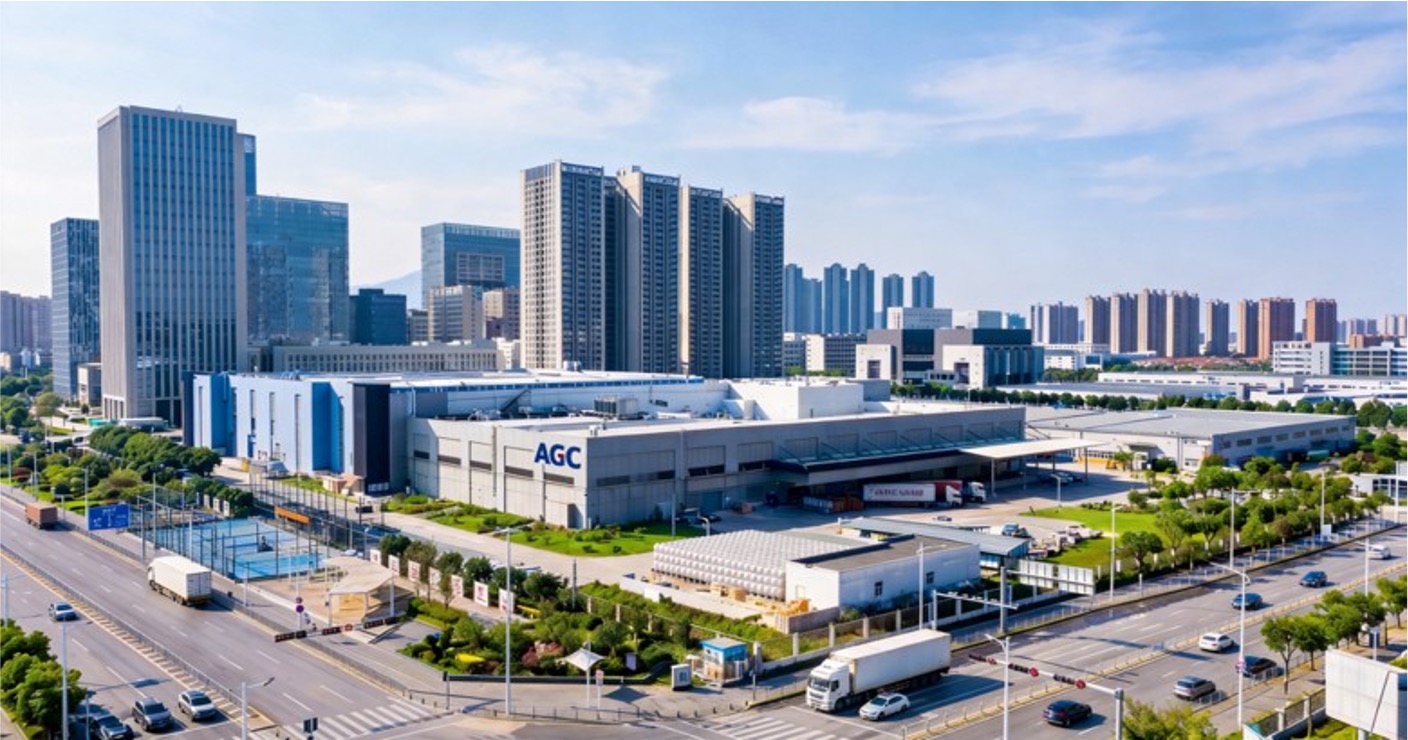
AGC Flat Glass Protech (Shenzhen) Inc.
Factory Address: 101, Building E, No. 12, Hi-tech Avenue, Baolong Subdistrict, Longgang District, Shenzhen, Guangdong Province, P.R. China.
Sales Office: Room 1201, Haiwang Xingchen Building, No. 2, Lanxiang 1st Street, Nanshan District, Shenzhen, Guangdong Province, P.R. China.
Tel: +86-755-26826802
Mobile: +86-15323704291
Fax: +86-755-26825406
Email: afis@agc.com
Contact Us on WeChat

Scan the QR code to contact us on WeChat.
05/FAQ
What properties should be considered when selecting thin glass?
When selecting thin glass, it is important to consider properties such as thickness, size, transparency, strength, flatness, surface quality, heat resistance, chemical durability, and dimensional stability. The required properties vary depending on the application, operating environment, and production process.
AGC can support material selection by reviewing these requirements and proposing suitable thin or specialty glass materials, functional treatments, and processing methods.
How should I choose the right glass material for my application?
The right glass material should be selected based on the required optical, mechanical, thermal, and chemical properties. For example, display applications may require high transparency, anti-glare performance, and durability, while Manufacturing process applications may require flatness, heat resistance, a controlled coefficient of thermal expansion, and low TTV.
AGC can help identify suitable glass materials by considering both the final application and the processing conditions required for development and production.
When adding functions to thin glass, should I prioritize material selection or surface treatment?
Both material selection and surface treatment are important. Some properties, such as transparency, heat resistance, chemical durability, and dimensional stability, are strongly influenced by the glass material itself. Other functions, such as anti-glare, anti-reflection, scratch resistance, and conductivity, may be added or enhanced through surface treatment or coating.
AGC can support customers by selecting suitable glass materials and combining them with appropriate functional processing technologies based on the target performance.
Can multiple functions such as anti-glare, anti-reflection, and scratch resistance be added to the same glass?
In many cases, multiple functions can be considered for the same glass, depending on the required specifications, glass material, surface condition, and production process. However, some functions may affect each other, so it is important to evaluate the balance between optical performance, durability, surface quality, and manufacturability.
AGC can help determine suitable combinations of functions and processing methods according to the application requirements.
What should be considered during prototyping when planning for mass production?
When planning for mass production, prototyping should confirm not only basic performance but also manufacturability. Important factors include material availability, processing feasibility, dimensional tolerance, flatness, surface quality, yield, inspection methods, and consistency between prototype and mass production conditions.
AGC can support customers from sample production and evaluation to specification adjustment and preparation for mass production.
What are the benefits of consulting AGC for both glass material selection and processing?
When glass material selection and processing are considered separately, there is a risk that the selected material may not be suitable for the required processing method, or that the processing conditions may not fully match the target performance.
By consulting AGC for both material selection and processing, customers can develop glass solutions with better alignment between material properties, functional requirements, processing feasibility, and mass production needs.
What conditions should be checked when transitioning glass products to mass production?
When transitioning glass products to mass production, it is important to check specifications such as size, thickness, shape, tolerance, flatness, TTV, surface quality, required functions, inspection standards, production volume, and delivery requirements. Processing stability, yield, and quality control should also be considered.
AGC can support mass production planning by reviewing these conditions and helping optimize glass materials, processing methods, and production specifications.
Can I consult AGC even if my specifications are not finalized yet?
Yes, AGC can support discussions from the early development stage, even if the final specifications have not yet been determined. Sharing information such as application, target performance, development stage, expected usage environment, approximate size, thickness, and expected production volume can help start the discussion.
AGC can work with customers to clarify requirements and propose suitable glass materials, functions, and processing options.
06/Contact AGC
AGC’s team of experts is available to assist with custom thin glass solutions for a wide range of industries and applications. For specialized glass materials, advanced processing solutions, or expert technical support, contact us today to explore how AGC can support your project.
